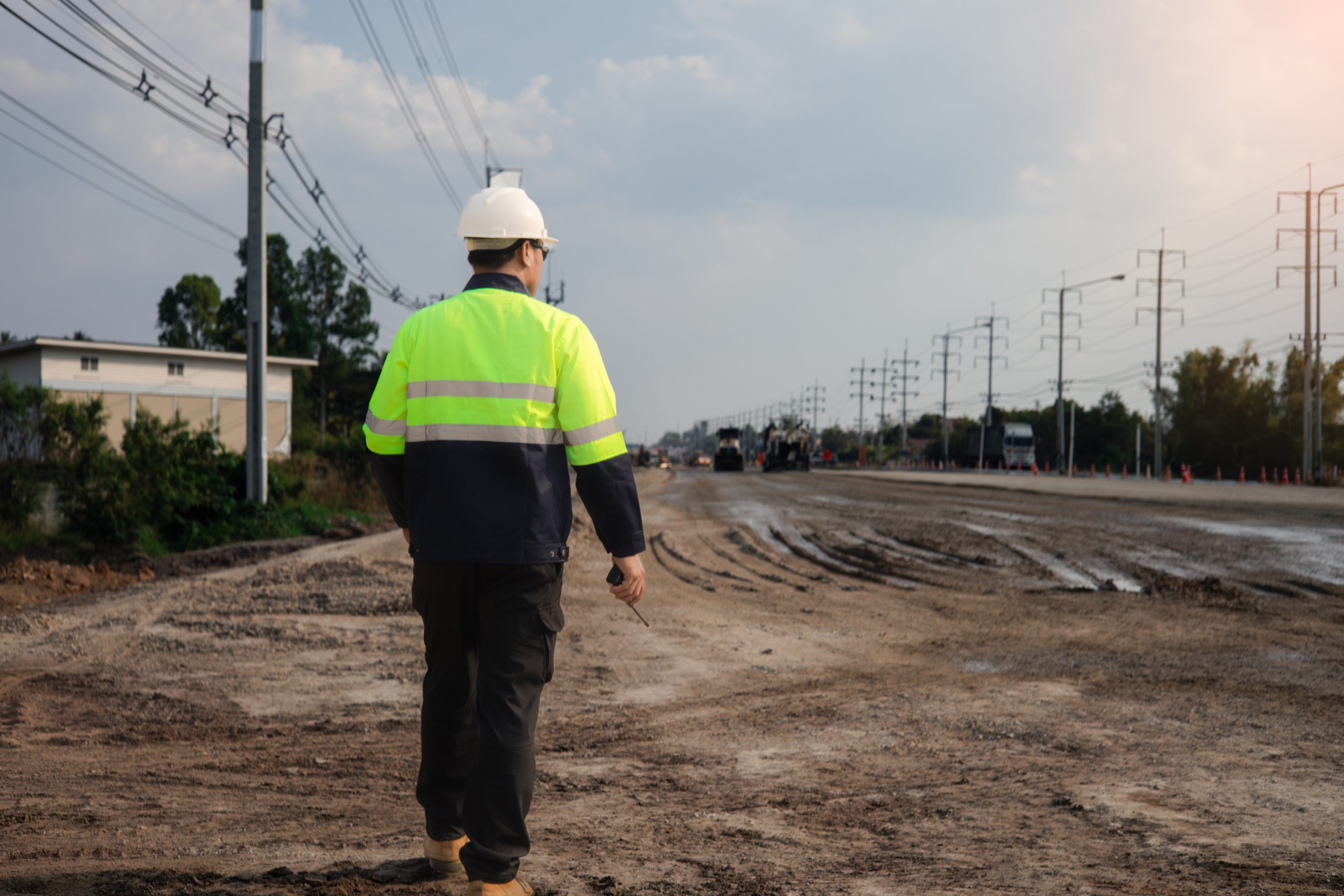
When you’re working 12-hour shifts on a mine site in Western Australia, managing projects in regional Queensland, or spending weeks away from home on construction projects, traditional education pathways aren’t always practical. Taking time off work to attend classes, travel to a training provider, or complete units you’ve effectively been doing for years often feels like a step backwards.
That’s one reason Recognition of Prior Learning (RPL) continues to grow in popularity across Australia.
RPL allows experienced workers to have their existing skills and knowledge assessed against nationally recognised qualifications. Instead of starting from scratch, eligible workers can use evidence from their work history, previous training and industry experience to work towards formal certification.
For remote, regional and FIFO workers, that can mean gaining qualifications without stepping into a classroom or travelling long distances to attend training.
Why traditional study doesn’t suit many remote and FIFO workers
Australia’s workforce has changed significantly over the past decade.
Many industries facing skills shortages — including mining, construction, engineering, transport and civil infrastructure — rely heavily on workers located outside major metropolitan areas.
While these workers often possess extensive practical experience, accessing traditional education can present several challenges:
- Distance from training providers
- Extended roster cycles
- Long working hours
- Family commitments during time off
- Travel costs
- Lost income from taking leave
A worker on a two-weeks-on, one-week-off roster may find it difficult to commit to fixed classroom schedules. Likewise, someone operating a small contracting business in regional Australia may not be able to afford weeks away from work to complete training they effectively already understand.
This is where RPL provides a practical alternative.
How Australia-wide RPL works
The RPL process assesses what you’ve already learned through real workplace experience.
Rather than focusing on attendance or study hours, the assessment looks at whether your skills and knowledge meet the requirements of a nationally recognised qualification.
For many remote and FIFO workers, the process can often be completed using evidence they already have access to, including:
- Employment history
- Resumes
- References
- Workplace documentation
- Project records
- Site photographs
- Safety documentation
- Licences and tickets
- Previous qualifications
- Overseas qualifications and experience
The exact evidence required depends on the qualification being sought, but the focus remains on demonstrating competency rather than repeating learning.
Your work experience may already count
One of the biggest misconceptions about qualifications is that everyone needs to complete years of study before becoming formally recognised.
In reality, many experienced workers have already developed the competencies required for a qualification through years of practical work.
For example, someone who has spent years:
- Supervising construction crews
- Operating heavy machinery
- Completing engineering fabrication work
- Managing workplace safety systems
- Running projects
- Working as a qualified trades assistant
…may already possess skills that align with nationally recognised qualifications.
The RPL process allows those skills to be assessed and formally recognised.
No classroom attendance required
One of the biggest advantages of RPL for remote and FIFO workers is flexibility.
Unlike traditional study pathways, RPL typically doesn’t require:
- Weekly classes
- Campus attendance
- Relocation
- Extended travel
- Sitting through training on skills you already use daily
Instead, the focus is on gathering evidence and demonstrating competency.
This makes RPL particularly attractive to workers who:
- Live in regional Australia
- Work on remote sites
- Travel frequently for work
- Operate their own businesses
- Work irregular rosters
Rather than trying to fit work around study, the process recognises learning that has already occurred through work.
Support throughout the evidence process
Many people initially assume they don’t have enough evidence to qualify.
In reality, most experienced workers have accumulated years of evidence without realising it.
A single project may generate:
- Site photographs
- Work orders
- Safety documentation
- Client communications
- Job records
- Supervisor references
When combined with employment history and previous training, these materials often help paint a clear picture of an individual’s experience.
Skills Certified works with candidates throughout the process, helping identify suitable evidence and organise it for assessment through partnered Registered Training Organisations (RTOs).
This support can be particularly valuable for workers who have:
- Worked across multiple employers
- Been self-employed
- Worked overseas
- Never completed formal training
- Been out of study environments for years
Popular RPL qualifications for remote and regional workers
While RPL is available across many industries, some qualifications are particularly relevant to remote, regional and FIFO workforces.
These often include qualifications in:
Building and construction
Construction workers often develop significant practical skills through years of site experience. RPL pathways may help formalise capabilities across carpentry, civil construction, project management and related trades.
Mining and resources
Mining workers frequently gain specialised operational, safety and supervisory experience that can align with nationally recognised qualifications.
Engineering
Engineering tradespeople, fabricators, maintenance personnel and mechanical specialists often use RPL to gain formal recognition of advanced technical skills.
Business and leadership
Many supervisors, team leaders and managers have developed substantial leadership capability through experience rather than formal education.
Work health and safety
Safety representatives, supervisors and compliance personnel often accumulate extensive practical knowledge that may support qualification pathways.
Why qualifications still matter
Experience is incredibly valuable.
But in many industries, qualifications remain important for:
- Career progression
- Licensing pathways
- Tender eligibility
- Employer requirements
- Compliance obligations
- Professional credibility
Workers often discover they have the skills for the next role but lack the formal qualification required to apply.
RPL helps bridge that gap.
Instead of asking experienced workers to start again, it provides a pathway to formally recognise the knowledge they have already developed.
A smarter pathway for experienced workers
For remote, regional and FIFO workers, time is often the most valuable resource.
When you’re balancing demanding rosters, family commitments and long periods away from home, spending months or years completing training on familiar concepts may not be the most practical option.
Recognition of Prior Learning provides an alternative pathway that respects experience and focuses on competency.
It allows workers to demonstrate what they already know, gain nationally recognised qualifications through partnered RTOs, and potentially unlock new opportunities without putting their careers on hold.
After all, it’s not about starting again.
It’s about moving forward.
Ready to find out if you’re eligible?
If you’ve built your skills through years of hands-on experience, a qualification may be closer than you think.
Take a Free Skills Check with Skills Certified to find out whether your experience could align with a nationally recognised qualification through RPL.